

It’s quite disturbing to turn a switch and receive nothing. One room becomes black, yet the room next to it functions absolutely well. It seems like your house is selecting favorites, which is strange.
But there is always a reason behind it. And once you know what’s going on, everything becomes a lot easier to handle.
This guide explains everything in simple terms so you can understand what’s going on in your walls and, more importantly, what it means for you.
It’s Not Random: Your Home Is Divided Into Circuits
First of all, your house doesn’t get all of its power from one source. Instead, it’s split up into smaller parts called circuits. Each circuit powers a certain region or thing. So, if one section quits operating, the remainder of the system can continue operating.
For example:
Your kitchen might be on one circuit
Your bedroom is another
Your living room is a completely different one
Because of this configuration, if one circuit goes down, just certain rooms lose electricity, not the whole home. That’s why the lights in your hallway remain on, yet your bedroom becomes dark all of a sudden.
The Most Common Reason: A Tripped Breaker
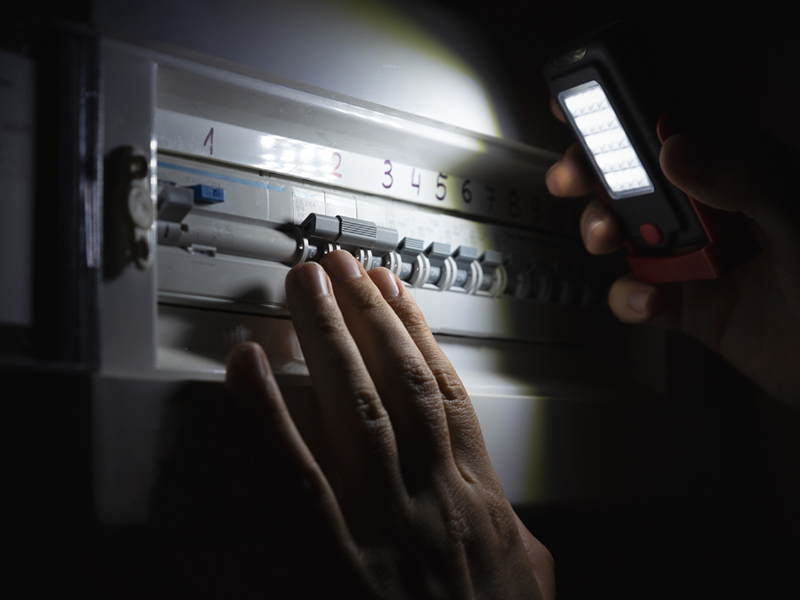
Now, here’s where things get clearer. Your electrical panel acts like a control center. Inside it are breakers, small switches designed to protect your home.
When something goes wrong, a breaker “trips,” which means it shuts off power to prevent damage. This usually happens due to:
Too many devices are running at once
A sudden surge of electricity
A fault somewhere in the wiring
As a result, one section of your home loses power while the rest stays active. And honestly, this is a good thing. It’s your system stepping in before a bigger issue develops.
Overloaded Circuits: When There’s Just Too Much Demand
Modern homes use more electricity than ever before. Chargers, TVs, gaming systems, kitchen appliances; they all add up.
When too many devices are plugged into the same circuit, it can get overwhelmed.
Here’s what that looks like:
You run a heater, microwave, and coffee maker at the same time
The circuit can’t handle the load
The breaker trips to stop overheating
As a result, one room or area loses power instantly.
This is one of the most common causes behind partial outages and often happens without warning.
Loose or Faulty Wiring Can Cut Power to One Area
Sometimes, the issue goes deeper than just usage.
Wiring inside your walls carries electricity from the panel to each room. If that connection becomes loose or damaged, power can’t flow properly.
This can lead to:
A single room is losing power completely
Lights flickering before going out
Outlets suddenly stopping
This doesn’t always reset readily as a tripped breaker does. It means that something behind the scenes deserves attention instead.
Based on real-life experience with fixing problems, bad wiring or weak connections are some of the most common reasons for power outages in certain places.
GFCI Outlets: The Hidden Switch You Didn’t Notice
A lot of people don’t know this. GFCI outlets are built-in safety safeguards that come with certain outlets, notably in bathrooms, kitchens, garages, and outside.
These outlets cut off electricity when they sense an imbalance or moisture, even if the rest of the circuit is working correctly. What makes it tricky:
One GFCI outlet can control multiple outlets
When it trips, several spots may stop working
It doesn’t always look “off” at first glance
So, while everything else in your home works, a few outlets (or even an entire room) can lose power quietly.
Damaged Outlets or Switches Can Break the Flow
Sometimes the issue is right in front of you. Outlets and switches wear out over time. Wires can loosen, internal parts can fail, and connections can weaken. When that happens:
Power stops at that point
Everything beyond it may also stop working
The rest of the house continues normally
It’s like a broken link in a chain; everything before it works, everything after it doesn’t.
Electrical Panel Issues Can Affect Specific Areas
Your breaker panel plays a major role in how electricity is distributed. If something goes wrong inside the panel, it can impact only certain circuits instead of the whole system. Possible issues include:
Worn-out breakers
Internal faults
Poor connections
These problems don’t always cause a full blackout. Instead, they quietly affect specific rooms or sections.
Short Circuits and Power Surges Can Shut Down One Circuit
Sometimes, electricity takes a wrong path. A short circuit happens when wires touch in a way they shouldn’t. This creates a sudden spike of energy.
Similarly, a power surge sends a quick burst of extra electricity through the system. Both situations trigger safety responses:
The breaker shuts off power
Only the affected circuit goes dark
Other areas remain unaffected
This is your system protecting itself from damage.
Why This Matters for You
Understanding this isn’t just about curiosity; it actually helps you respond better when something goes wrong. Here’s what you gain:
You avoid panic when only part of your home loses power
You know where to look first
You recognize early warning signs before bigger issues develop
That clarity can save time, reduce stress, and help prevent further damage.
Quick Signs That Point to the Cause
While every situation is different, certain signs can guide you toward the issue.
For example:
If it’s likely a tripped breaker:
Power stops suddenly in one area
Other rooms still work
Resetting the breaker restores power
If it’s an overloaded circuit:
It happens when multiple devices run together
Breaker trips repeatedly
If it’s wiring-related:
Lights flicker before going out
Power doesn’t return after resetting
If it’s a GFCI issue:
Outlets in bathrooms or kitchens stop working
The reset button restores power
These patterns help you connect the dots without guessing.
When It’s Time to Take It Seriously
Some situations need more attention than others. If you notice any of the following, it’s a sign that the issue goes beyond a simple reset:
Burning smell near outlets or panel
Frequent breaker trips
Buzzing sounds from switches
Warm outlets or switches
Power cutting in and out repeatedly
These aren’t small inconveniences; they’re warning signals. And addressing them early makes a big difference.
How These Problems Are Usually Handled
Most electrical issues fall into a few common categories, and each has a clear path forward.
Typical fixes include:
Tightening loose connections
Replacing worn-out outlets or switches
Balancing electrical load across circuits
Upgrading panels or adding new circuits
Fixing damaged wiring
In many cases, the goal is simple: restore safe and steady power without overloading the system again.
Final Thoughts: Understanding Brings Control
It might be hard to understand at first when one room loses power while others remain on. But if you realize how your house is set up in circuits, everything begins to make sense. It isn’t by chance. Even if it seems like an annoyance, your electrical system is doing its job to keep you safe.